Same day gardeners in Seven Kings for urgent overgrown gardens
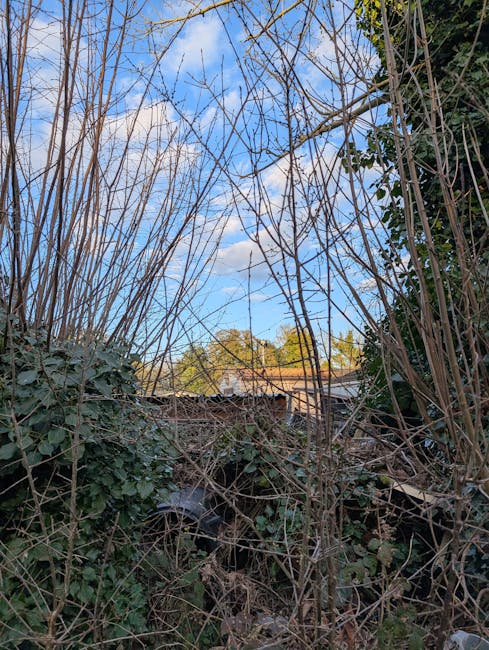
When a garden has run away from you, it can feel oddly urgent. One week of wet weather, a missed cut, or a spell of being away from home, and suddenly the lawn is knee-high, hedges are spilling over the path, and the whole place looks like it needs a rescue rather than a routine tidy-up. That is exactly where same day gardeners in Seven Kings for urgent overgrown gardens come in. This guide explains what to expect, how the service works, what it can solve quickly, and how to choose the right help without making a rushed decision you later regret.
Whether you are dealing with a front garden that needs to look presentable before visitors arrive, a back garden that has become difficult to use, or an overgrown space that feels a bit unsafe, there is a practical way through it. Let's break it down properly.
Table of Contents
- Why this service matters
- How the service works
- Key benefits and practical advantages
- Who this is for and when it makes sense
- Step-by-step guidance
- Expert tips for better results
- Common mistakes to avoid
- Tools, resources and recommendations
- Law, compliance, standards, and best practice
- Options, methods, and comparison table
- Case study or real-world example
- Practical checklist
- Conclusion
- Frequently asked questions
Why Same day gardeners in Seven Kings for urgent overgrown gardens Matters
An overgrown garden is not just a cosmetic issue. In a busy part of London, especially around Seven Kings where homes often balance compact outdoor spaces with practical day-to-day use, a neglected garden can quickly become awkward to manage. Paths get blocked. Plants spread beyond where they should. Brambles and ivy creep into places they were never invited to. And once a garden starts to feel difficult, people often leave it even longer. Fair enough, it happens.
The problem with urgent overgrowth is that it creates a chain reaction. A patch of long grass becomes a damp mat. Hidden waste becomes harder to spot. Hedges lose shape. Trees and shrubs start shading out everything beneath them. Even simple tasks like opening a shed, moving bins, or letting children outside become more annoying than they should be. In some cases, the issue is more than inconvenience; it can affect access, visibility, and general safety around the property.
That is why fast turnaround gardening support matters. The goal is not perfection in one afternoon. It is to regain control quickly, make the space usable again, and stop the garden from getting worse. A same day response can be the difference between a stressful weekend and a garden that feels manageable by evening.
Key takeaway: urgent garden help is most valuable when the priority is speed, safety, and restoring order before the problem spreads further.
For many homeowners and landlords, the real value is peace of mind. You know someone is coming, the work is being handled properly, and the mess will not keep hanging over your head. To be fair, that emotional relief matters just as much as the physical tidy-up.
How Same day gardeners in Seven Kings for urgent overgrown gardens Works
Same day gardening is usually straightforward, but the best results come from clear communication at the start. In most cases, you describe the size of the garden, the kind of overgrowth involved, and what needs doing first. A good provider will then work out what can reasonably be completed on the same day and what may need a follow-up visit.
In practical terms, the process often looks like this:
- Initial assessment: You explain the issue, share photos if possible, and mention any access issues, hazards, or priorities.
- Scope check: The gardener identifies whether the job is light clearance, heavy clearance, hedge cutting, lawn restoration, or a mix of tasks.
- Arrival and preparation: Tools are brought in, the safest work order is decided, and the space is assessed again on site.
- Priority clearance: The most urgent parts are tackled first, such as overgrown access routes, front-facing areas, or dangerous obstructions.
- Tidy and removal: Cuttings, brash, and loose debris are collected, bagged, or arranged for responsible removal.
- Optional next steps: If the garden still needs shaping or longer-term care, a maintenance plan or second visit may be suggested.
It is worth saying that "same day" does not always mean every single task will be finished in one visit. If the garden is heavily neglected, a team may focus on making it safe and usable first, then return for finer detail. That is not a shortfall. It is good judgement.
For larger or more complex outdoor spaces, same day support may overlap with broader garden clearance or ongoing garden maintenance. If the issue includes thick hedging, boundary growth, or branches blocking light, services such as hedge trimming or tree lopping and removal may be relevant too.
Key Benefits and Practical Advantages
There is a reason people search for fast garden help rather than waiting until the weekend. Urgent jobs carry their own pressures, and the right service solves several problems at once.
- Speed: You get immediate progress instead of staring at the same mess for another week.
- Reduced stress: Someone else takes over the physical workload and the judgement calls.
- Better safety: Clearing trip hazards, low branches, and blocked paths helps the garden feel usable again.
- Improved appearance: Even a rough tidy can dramatically change how a property feels from the street.
- Practical access: Doors, bins, sheds, and routes through the garden become easier to use.
- Damage prevention: Catching overgrowth early can reduce the chance of plants forcing into fences, beds, or structures.
- Flexible response: A same day visit can be scaled to the immediate problem rather than a long planned package.
There is also a commercial angle for landlords, letting agents, and property owners preparing for viewings, inspections, or handovers. A garden does not need to be picture-perfect, but it does need to look cared for. People notice. They always do.
If the outdoor space needs a broader refresh, it may be worth looking at related services such as lawn mowing, landscaping, or even landscape gardening if the long-term plan is to redesign areas rather than simply tidy them. For some gardens, old decking edges, slippery boards, or tired surfaces also need attention, in which case decking services may come into the conversation.
Who This Is For and When It Makes Sense
This kind of service is not just for neglected gardens that have been left for months. Sometimes life is simply hectic. A family event is due, a tenancy is ending, or the weather has made the garden too wild to manage safely. That is enough reason.
It tends to make sense for:
- Homeowners who want their garden back under control quickly.
- Busy families who do not have time for a full weekend clearance.
- Landlords who need a tidy outdoor space between tenancies.
- Letting and property managers preparing for inspections or new occupants.
- Elderly residents who need the garden made safe and accessible again.
- People returning from holiday or illness to a garden that has grown far faster than expected.
A realistic example: imagine a Seven Kings terrace with a small rear garden that has become impossible to walk through because the grass is long, ivy is spreading across a fence, and a hedge has crept over the side return. You do not need a full landscape redesign right away. You need a fast reset. That is the sweet spot.
It also makes sense when the situation is starting to affect how you feel about the property. A scruffy garden can create a surprising amount of mental noise. You see it from the kitchen window, you know it is waiting for you, and it nags at you all day. Getting help quickly can be a relief, honestly.
Step-by-Step Guidance
If you are arranging urgent garden help, the best outcomes usually come from a bit of preparation before the team arrives. Nothing fancy. Just the useful stuff.
- Identify the main problem. Is it grass, hedges, weeds, brambles, fallen branches, or general mess? If everything is a problem, note the priority order.
- Take a few photos. Wide shots and close-up shots help the gardener judge workload and bring the right tools.
- Check access. Make sure side gates, front entrances, and garden paths are unlocked or clear if possible.
- Remove personal items. Pots, toys, furniture cushions, and fragile decorations are easier to move now than during the job.
- Flag hazards early. Broken glass, uneven paving, wasp activity, hidden cables, or unstable fencing should be mentioned before the visit.
- Decide the outcome you want. Some people want a full tidy. Others just need the space safe and passable. Be clear, because "just a quick sort out" can mean wildly different things to different people.
- Ask what will be included. Will cuttings be bagged? Will green waste be removed? Is sweeping part of the service? Tiny question, big difference.
- Confirm timing and expectations. Same day work is about urgency, so it helps to know the likely arrival window and whether the job may run into a follow-up.
Once the work starts, a good gardener will usually begin with the most urgent access points first. That might mean the front path, the gate area, or the route to a shed. Then comes the deeper clearance. If the garden is very dense, there may be a sensible pause to check hidden debris. That's normal.
After the job, walk the space with the gardener if possible. Look at what was cut, what was removed, and what still needs attention. A five-minute review can prevent misunderstandings later and make future maintenance easier.
Expert Tips for Better Results
From experience, the best urgent garden jobs are the ones where the customer is clear, calm, and realistic. Fast does not have to mean chaotic.
Here are a few practical tips that genuinely help:
- Prioritise access first. If a path, gate, or entrance is blocked, deal with that before worrying about neat edges.
- Be honest about the scale. If you say "a bit overgrown" and it is really a jungle out there, the team may arrive underprepared. No one benefits from that.
- Separate urgent from nice-to-have. Clearing is not the same as landscaping. A tidy may solve the immediate issue while a later visit deals with shaping and finish.
- Ask about waste handling. Overgrown gardens often produce a surprising amount of green waste. You do not want to discover that after the fact.
- Think ahead one month. If the garden has got away from you once, a maintenance rhythm will usually be cheaper and less stressful than another emergency rescue.
Here is a small but useful observation: gardens that are cleared promptly often become easier to maintain than people expect. Once you can see the boundaries again, tasks feel smaller. The whole place stops feeling like one huge job.
If you are trying to avoid repeat overgrowth, a regular visit for services overview planning can help you map out what needs doing now versus later. And if you care about how the garden is managed, things like recycling and sustainability may also matter when cuttings and green waste are being handled responsibly.
Common Mistakes to Avoid
Urgent situations make people rush. Understandable. But a few common mistakes can make the process messier than it needs to be.
- Waiting too long. The longer growth is left, the more labour it usually takes to bring under control.
- Booking only on price. The cheapest option is not always the best for a job involving access, safety, and waste handling.
- Giving vague instructions. "Sort the garden" sounds simple, but it can lead to mismatched expectations.
- Ignoring hidden issues. Rotten timber, loose paving, or dead branches should not be overlooked just because they are inconvenient to mention.
- Expecting a full redesign in one visit. Emergency work is about recovery, not perfection.
- Skipping follow-up care. If the garden is left untouched after a big clearance, it can bounce back faster than you think.
Another one: forgetting that overgrown plants can hide things. Broken pots, old garden furniture, even drains or edging stones can be buried under leaf litter and grass. That is why cautious clearing matters. Slow is sometimes faster, oddly enough.
Tools, Resources and Recommendations
You do not need specialist knowledge to prepare for an urgent gardening visit, but it helps to understand the kinds of tools often used and why they matter.
| Task | Typical tools | Why they matter |
|---|---|---|
| Long grass cutting | Lawnmower, strimmer, hand shears | Gets the space back into a manageable condition quickly |
| Hedge reduction | Hedge trimmer, loppers, safety gear | Controls overhang and restores shape |
| Brush and bramble clearance | Heavy-duty cutters, rakes, bags | Removes thick growth safely and efficiently |
| Tree and branch work | Pruning tools, saws, PPE | Helps manage overreach and falling debris |
| Final tidy-up | Rake, blower, sacks, broom | Leaves the garden usable rather than just cut back |
If the garden is part of a bigger maintenance cycle, it can help to separate the tasks into immediate and longer-term work. The immediate work is usually clearance, mowing, and cutting back access routes. The longer-term work might include border reshaping, fence-line repair, or redesigning awkward corners. That is where a broader approach such as garden maintenance or landscaping can make life easier down the line.
For customers who want to understand the company behind the service, it is often useful to read the about us page and the insurance and safety information before booking. That is just sensible due diligence, nothing dramatic. If you have questions about how your details are handled or how bookings are processed, the site also provides a privacy policy, payment and security details, and a terms and conditions page.
Law, Compliance, Standards, or Best Practice
With gardening work, especially urgent clearance, the key compliance issues are usually practical rather than technical. The important thing is safe working, responsible waste handling, and respect for property boundaries and neighbouring land. In the UK, a professional gardener should generally work with proper care around tools, ladders, cutting equipment, and any hazards discovered on site.
Good practice typically includes:
- Risk awareness: checking for broken glass, unstable surfaces, hidden debris, and other site hazards before starting.
- Safe cutting methods: using suitable tools for the size and type of growth instead of forcing the wrong equipment.
- Property respect: avoiding damage to fences, paving, sheds, outdoor lighting, and neighbouring boundaries.
- Waste responsibility: handling green waste sensibly and avoiding random dumping or poor site tidiness.
- Clear communication: agreeing scope, access, and priorities before work begins.
If trees are involved, caution matters even more. Large limbs, deadwood, and leaning branches can be deceptive, and it is better to pause and assess than to rush through a risky cut. A sensible provider will know when a job is straightforward and when it needs more careful handling.
Customers should also expect basic professionalism around insurance, security of access, and complaints handling. Those things sound dull until they matter. Then they matter quite a lot. A website that clearly sets out its complaints procedure and accessibility statement usually signals that the business thinks about the whole customer experience, not just the cutting.
Options, Methods, and Comparison Table
Not every overgrown garden needs the same approach. Here is a simple way to think about the main options.
| Approach | Best for | Pros | Limitations |
|---|---|---|---|
| Same day tidy-up | Urgent access, visible overgrowth, fast improvement | Quick, practical, restores order fast | May not finish every detail |
| Garden clearance | Heavy mess, accumulated debris, deep overgrowth | Removes bulk and resets the space | Can be more involved than a simple tidy |
| Routine maintenance | Ongoing control after the initial rescue | Keeps the garden manageable | Not enough on its own for severe neglect |
| Landscaping or redesign | Poor layout, hard-to-maintain areas, long-term improvement | Solves underlying problems | Usually not the first step in an emergency |
In a real-world sense, the right method depends on what the garden needs today. If the path is blocked and the front of the house looks lost under growth, same day help is the obvious first move. If the garden is generally functional but tired, maintenance may be enough. If the space is awkward and always becomes overgrown, you may eventually want to look at design fixes too.
That's the honest bit. Sometimes the best answer is not a bigger cut, but a better plan.
Case Study or Real-World Example
Here is a realistic example. A Seven Kings homeowner returns after being away for several weeks and finds the rear garden has grown into a dense patchwork of long grass, self-seeded weeds, and hedge spillover. The bins are hard to reach, the patio is slippery with leaf litter, and the back gate barely opens. Nothing is broken, but the space feels neglected and slightly stressful to look at.
Instead of trying to tackle it alone over several weekends, they arrange same day gardening help. The team focuses on the access route first, clears the patio edge, trims the hedge back from the fence line, and cuts the grass down to a level that can be maintained. The garden is not redesigned. It is not turned into a showpiece. But it becomes safe, tidy, and usable again in one visit.
That is the point. A good same day job should leave you thinking, "Right, now I can breathe again." Then, once the immediate mess is gone, it becomes much easier to plan the next stage properly. Maybe that is a monthly mow. Maybe it is a boundary tidy every season. Maybe it is a bigger renovation later. But first: control.
Practical Checklist
Before the gardeners arrive, use this quick checklist. It saves time and avoids those awkward little surprises that seem small until they are not.
- Take photos of the problem areas
- Identify the highest-priority areas first
- Clear access to gates, paths, and doors
- Move fragile items, toys, and lightweight furniture
- Note any hazards such as uneven ground or hidden debris
- Confirm whether cuttings will be removed
- Ask if hedge, lawn, or tree work is included
- Decide what "done" should look like for this visit
- Make sure someone can answer questions on the day
- Plan a follow-up if the garden needs ongoing care
If you want to make the whole process simpler, it can also help to review the company's wider service pages before booking. The services overview can help you see where urgent tidy-up work fits alongside maintenance, clearance, and other outdoor improvements.
Conclusion
Urgent overgrown gardens are stressful, but they are also very fixable. With the right approach, same day gardeners in Seven Kings can turn a difficult, cluttered outdoor space into something manageable, safer, and a lot less embarrassing to look at. Not perfect. Just back under control. And sometimes that is exactly what you need.
The best result usually comes from clear priorities, honest expectations, and a team that knows how to work quickly without cutting corners. If you treat same day help as the first step in getting the garden back on track, rather than the final answer to everything, you will almost always get better value from it.
Get a free quote today and see how much you can save.
When the garden stops feeling like a burden, the whole home feels lighter. That's a nice feeling, and worth getting back.
Frequently Asked Questions
Can same day gardeners in Seven Kings really handle an overgrown garden in one visit?
Often, yes, at least enough to make a noticeable difference. The main aim is usually to restore access, reduce growth, and make the garden usable again. Very large or heavily neglected spaces may need a follow-up visit.
What kind of jobs are best suited to urgent same day gardening?
Tasks like grass cutting, hedge trimming, bramble clearance, path clearing, and general tidying are common urgent jobs. If the garden is cluttered or difficult to access, same day help can be especially useful.
How do I know if I need garden clearance rather than simple maintenance?
If the space has lots of buildup, thick weeds, broken debris, or growth that has been left for a long time, garden clearance is usually more appropriate. If it just needs regular control, maintenance may be enough.
Should I send photos before the gardener arrives?
Yes, if possible. Photos help the gardener judge the scale of the job, bring the right tools, and plan the visit realistically. It also reduces the chance of misunderstanding.
Will everything be finished on the same day?
Not always. Same day service means fast response, not always full completion of every detail. The work may focus on the most urgent areas first, with finer finishing arranged later if needed.
What if my garden has hidden hazards?
Tell the gardener in advance if you know about broken glass, loose paving, wasp activity, unstable fencing, or anything else risky. If something is discovered on site, a good gardener should pause and assess it safely.
How much preparation do I need to do before the visit?
Only basic preparation is needed. Clear access, move fragile items if you can, and let the team know about any key priorities. You do not need to tidy the garden before the gardener arrives, which would be a bit of a pointless exercise anyway.
Is same day gardening suitable for landlords and rental properties?
Yes, very much so. It is often used before viewings, check-ins, inspections, or end-of-tenancy handovers when the outdoor space needs to look presentable quickly.
Can urgent garden work include trees or large branches?
Sometimes, but that depends on the size and condition of the tree. Smaller branch reduction may be possible as part of the visit, while larger or riskier work may need a separate tree-specific service.
What should I ask before I book?
Ask what is included, how waste will be handled, what time they expect to arrive, and whether the job is a one-off or likely to need follow-up. A few clear questions up front save a lot of trouble later.
Is it better to choose the cheapest quote?
Not necessarily. For urgent garden work, value matters more than the lowest number. You want someone who understands the job, communicates clearly, and can deal with the situation safely and efficiently.
What happens after the urgent tidy-up?
After the initial reset, many people move to a simple maintenance plan so the garden does not get out of hand again. A little regular care usually goes a long way, and it tends to feel far less daunting than another rescue job.