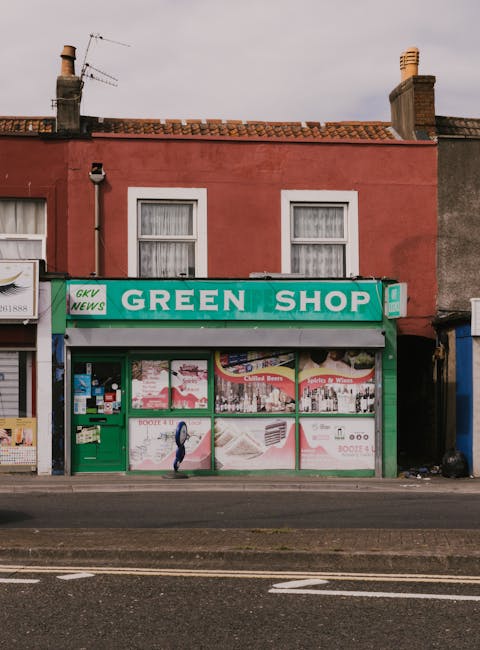
Commercial gardeners for Ilford High Road shops Seven Kings
Shopfront planting, tidy borders, and clean walkways can make a bigger difference than many business owners expect. For commercial gardeners for Ilford High Road shops Seven Kings, the job is not just to cut grass or trim hedges. It is to keep a retail frontage looking open, cared for, and easy to pass by, day after day, in all the stop-start rhythm of a busy local high street.
If you manage a shop, cafe, salon, takeaway, office entrance, or mixed-use unit on or around Ilford High Road, you already know the little details matter. Weeds appear quickly. Pots dry out. Shrubs grow unevenly. A bin area starts to look untidy. And once the outside starts slipping, the whole place feels less inviting. This guide explains how commercial gardening support works in Seven Kings, what to look for, and how to choose a service that genuinely helps rather than adds another thing to chase.
In practical terms, good commercial garden care is about consistency, presentation, and low drama. Nice and simple, really. Not flashy. Just reliable.
Table of Contents
- Why Commercial gardeners for Ilford High Road shops Seven Kings Matters
- How Commercial gardeners for Ilford High Road shops Seven Kings Works
- Key Benefits and Practical Advantages
- Who This Is For and When It Makes Sense
- Step-by-Step Guidance
- Expert Tips for Better Results
- Common Mistakes to Avoid
- Tools, Resources and Recommendations
- Law, Compliance, Standards, or Best Practice
- Options, Methods, or Comparison Table
- Case Study or Real-World Example
- Practical Checklist
- Conclusion
- Frequently Asked Questions
Why Commercial gardeners for Ilford High Road shops Seven Kings Matters
Retail and service businesses live or die by first impressions more often than people admit. A customer may not consciously notice every planter or hedge, but they do notice whether the outside feels cared for. A neat frontage suggests the business is organised, open for trade, and pays attention to detail. An overgrown entrance does the opposite, even if the service inside is excellent.
That matters especially on a busy road where people are walking past quickly, sometimes with only a glance. A well-kept border or container display can soften hard paving, break up a plain facade, and make a shop feel more approachable. It is a small thing on paper. In real life, it can influence whether someone slows down, looks in, and decides to step through the door.
Commercial gardening also helps with everyday practicality. Clear paths reduce trip hazards. Trimming back planting keeps sightlines open for entrances and windows. Regular maintenance prevents weeds from taking hold in paving joints and keeps litter from becoming trapped in overgrown corners. These are the sorts of details that customers rarely mention when they are right, but they definitely notice when they are wrong.
Expert summary: For shopfronts, commercial gardening is really about presentation, access, and consistency. The most effective maintenance plans are the boring ones that simply keep things looking good every week. Boring is underrated.
There is also a practical brand angle. If your business uses outdoor planters, seasonal displays, or frontage landscaping as part of its identity, then the outside space becomes part of your marketing. A tidy green entrance can support the tone of your signage, windows, and interior styling. Everything feels joined up. Customers may not say it out loud, but they feel it.
How Commercial gardeners for Ilford High Road shops Seven Kings Works
Most commercial garden maintenance for shops follows a simple cycle: assess the site, agree the maintenance routine, carry out scheduled visits, then adjust the plan as seasons change. The exact package depends on the site size, the planting style, footfall, and whether the space is mainly decorative or also functional, such as a rear yard, delivery zone, or customer seating area.
In many cases, the first visit is the most revealing. A good gardener will look at weed pressure, drainage, pruning needs, the condition of hard surfaces near planted areas, and whether access is straightforward for regular visits. If the frontage includes shrubs, hedging, or larger greenery, they may also check for health issues, wind exposure, and whether anything is affecting windows, signage, or lighting.
After that, the work usually falls into a routine. On a typical commercial site, that might include:
- lawn mowing where any grassed area exists
- hedge trimming and light pruning
- weed removal from beds, borders, and paving joints
- litter picking and clearing small debris
- seasonal planting or deadheading
- checking for broken pots, damage, or dried-out plants
- green waste removal and tidy disposal
If the site needs more than routine upkeep, a provider may recommend broader works such as landscaping improvements, landscape gardening, or targeted garden clearance. That can be useful where a frontage has become cluttered, patchy, or difficult to maintain with standard visits alone.
A realistic commercial schedule also needs to work around trading hours. Shops on a busy road cannot always tolerate noisy work at peak times, and access may be tight before opening or after closing. Good planning avoids awkward disruption. It sounds obvious, but it makes all the difference.
Key Benefits and Practical Advantages
There are several clear reasons business owners choose commercial garden support rather than trying to deal with it piecemeal. Some are visual, some are operational, and some are quietly financial.
- Better curb appeal: A clean, well-managed frontage can make a shop feel more welcoming and more established.
- Reduced day-to-day stress: Regular maintenance means fewer last-minute scrambles before a busy trading day.
- Safer access: Overgrown planting, slick surfaces, and fallen debris can all make entrances feel awkward or unsafe.
- More consistent branding: Outside space stays in step with the look and feel of the business.
- Seasonal flexibility: Displays can be refreshed without needing a complete redesign every time the weather shifts.
- Healthier planting: Routine pruning, watering checks, and soil care help plants last longer and look better.
- Less waste: A managed plan often prevents costly neglect, replacement planting, or bigger remedial works later on.
For many shop owners, the biggest benefit is simple peace of mind. If you know someone is keeping an eye on the frontage, you do not have to keep mentally adding "sort the weeds" to an already full list. That alone is worth a fair bit.
If you already have an overall service package, it can help to view gardening as part of the wider property care picture. Some businesses also use services overview pages to compare what is available and build a routine that fits the site rather than forcing the site to fit the routine.
Who This Is For and When It Makes Sense
This kind of support is not just for large commercial estates with formal grounds. It is often most useful for everyday street-facing businesses where appearance and access matter, but time is limited.
You are likely to benefit from commercial gardening if you run or manage:
- retail shops with planted entrances or frontage beds
- cafes and restaurants with outdoor seating or window displays
- salons, barbers, and studios that rely on a polished look
- offices with entrance planting or shared access paths
- property managers responsible for small commercial units
- mixed-use buildings where the outdoor area affects tenant satisfaction
It also makes sense when the site starts to show warning signs. Maybe the weeds are returning every fortnight. Maybe the hedging is getting too high for the window line. Or maybe the space looks fine from a distance, but close up it feels tired. You know the feeling: one broken planter, one patch of dead growth, and suddenly the whole frontage seems a bit neglected. Not a disaster, just enough to bother you every time you walk past.
If you are planning wider improvements, commercial gardening can sit neatly alongside lawn mowing, hedge trimming, or even decking services where a customer area or rear outdoor space needs a cleaner finish.
Step-by-Step Guidance
If you are hiring or planning commercial gardening for a shop on Ilford High Road, this is the sensible way to approach it.
- Walk the site properly. Look at the frontage at opening time, mid-day, and just before closing if you can. Different problems show up at different times.
- List the areas that actually need care. That may include planters, borders, a small lawn strip, wall climbers, rear access, or waste storage spaces.
- Decide what is maintenance and what is repair. Maintenance is regular care. Repair is a bigger job. Mixing the two causes confusion and unhappy expectations.
- Set a realistic schedule. Weekly, fortnightly, or monthly visits can all work depending on the planting and the footfall.
- Agree access and timing. Make sure the gardener knows when they can work without interfering with deliveries or customers.
- Ask how waste will be handled. Green waste removal should be clear from the start so you are not left with bags piled awkwardly near the entrance.
- Review after the first few visits. The best plan is usually tweaked once the team has seen how the site behaves in practice.
A lot of people skip the site walk, then wonder why the maintenance plan feels vague. Truth be told, the site usually tells you what it needs if you give it ten quiet minutes and proper attention. Not glamorous. Very useful.
For a shop front, one small extra step is worth adding: photograph the frontage before work starts. It gives you a simple way to track improvement and spot recurring issues, especially if you are managing several units or rotating staff. A bit old-school, maybe, but effective.
Expert Tips for Better Results
Here is the difference between decent gardening and genuinely useful commercial gardening: the good stuff anticipates problems before they become visible to customers.
Start with plant choice. For busy shop fronts, robust planting tends to perform better than fragile, high-maintenance displays. If containers dry out quickly or get bashed by trolleys, wind, and foot traffic, choose species and materials that can tolerate a bit of real-life wear. A pretty plant is no use if it sulks the moment the weather turns.
Keep pruning sensible. Over-pruning can leave a frontage looking harsh and sparse, while under-pruning can block sightlines and signage. The trick is to maintain shape without making the site look trimmed to death. There is a line, and once you see it, you cannot unsee it.
Match maintenance frequency to the season. Spring and summer often need closer attention because growth and watering demands increase. In colder months, the work may shift more toward debris removal, structural checks, and keeping paths clear. Small, seasonal adjustments usually save time and money.
If you use containers or raised planters, ask about drainage. Many commercial planting issues start below the surface, not above it. Waterlogged roots, cracked pots, and compacted soil can undo all the visible work. The outside may look fine for a while, then suddenly not.
And one more thing: keep communication simple. A short list of priorities is often better than a long, vague brief. For example, "keep the entrance tidy, the planters healthy, and the paving clear" tells a gardener more than a paragraph of aspiration ever will.
Common Mistakes to Avoid
These are the errors that crop up again and again on commercial shopfronts. They are easy to make, and equally easy to prevent once you know what to watch for.
- Waiting too long between visits: Once weeds and overgrowth establish themselves, the job becomes more expensive and time-consuming.
- Choosing aesthetics over durability: Some planting looks lovely for a week and then falls apart under daily use.
- Ignoring access routes: Rear entrances, delivery paths, and service yards matter as much as the visible front area.
- Assuming one-off clearance is enough: A tidy finish without ongoing maintenance usually does not stay tidy for long.
- Not separating garden and waste duties: If nobody is responsible for removing cuttings, the site can still look messy after the work is done.
- Overlooking health and safety: Wet surfaces, tools, and public access need proper attention on commercial sites.
There is also a less obvious mistake: using the wrong service for the problem. A site that needs structural improvement may not be solved by maintenance alone. Sometimes the honest answer is a combination of upkeep and landscaping to fix the layout, drainage, or planting structure. Better to say that early than pretend trimming will solve everything.
Tools, Resources and Recommendations
Good commercial gardeners bring the right kit, but the real value is in how they use it. For shopfront work, that typically includes reliable cutting tools, edging tools, pruning equipment, weed control tools, and safe handling gear for waste and access areas.
For a business owner, the most useful "resource" is a clear maintenance brief. Keep it short and practical. Include:
- opening and closing times
- access instructions
- priority areas
- any no-go zones
- waste storage arrangements
- preferred contact person on site
If your frontage includes trees or larger woody growth, it is sensible to review whether tree lopping and removal may be needed at some stage, especially where branches affect light, visibility, or safe access. That is not always necessary, of course, but it is worth considering before minor issues become awkward ones.
For businesses that care about environmental impact, recycling and sustainability should also be part of the conversation. Green waste handling, plant reuse where possible, and sensible material choices can all reduce unnecessary waste. Small things add up.
You may also want to ask about pricing clarity before work begins. A transparent quote process makes budgeting much easier, especially if the site has a mix of routine maintenance and one-off improvement work. If you need help understanding how quotes are structured, the page on pricing and quotes is a practical place to start.
Law, Compliance, Standards, or Best Practice
Commercial garden work around shops does not usually involve complex regulation, but it does need sensible care. In the UK, business owners and contractors should treat public safety, access, and waste handling seriously. That means keeping routes clear, managing tools responsibly, and making sure the site does not create avoidable trip or slip hazards.
Best practice also means checking that anyone working on site follows clear health and safety procedures, especially where the public may be nearby. A contractor should be able to explain how they work safely, how they manage weather-related risks, and what they do when access is shared with customers or staff.
Insurance matters too. It is reasonable to expect contractors to carry appropriate cover for the work they do. If you are comparing providers, ask directly about insurance and safety. That conversation should feel normal, not awkward. If anything, it is a sign of professionalism.
Where a site has formal procedures, it can be helpful to know how issues are handled, how data is managed, and what the service terms include. Some businesses like to review terms and conditions before commissioning regular work, and that is fair enough. Clear expectations save everyone time later.
For internal business processes, you may also want to understand how your provider approaches payment and security, especially if invoices are handled centrally. Again, this is about good housekeeping more than red tape.
Options, Methods, or Comparison Table
Different commercial sites need different levels of support. A compact comparison helps show where each approach fits.
| Approach | Best for | Strengths | Limitations |
|---|---|---|---|
| One-off tidy-up | Overgrown entrances, seasonal resets, post-renovation cleanup | Fast improvement, clears the backlog | Does not keep the site looking good for long without follow-up |
| Routine maintenance | Active shopfronts that need steady presentation | Consistent appearance, predictable planning | May not fix deeper layout or planting problems |
| Maintenance plus landscaping | Sites needing both upkeep and structural improvement | Better long-term result, more robust frontage | Higher upfront effort and planning |
| Maintenance plus clearance | Neglected or cluttered sites | Useful reset before ongoing care begins | Can be more labour-intensive at the start |
In practice, many businesses start with clearance or a tidy-up, then move into routine maintenance once the frontage is back under control. That often feels less overwhelming. You get the quick visual win first, then the steady improvement afterward.
Case Study or Real-World Example
Here is a realistic example based on the sort of site that comes up often: a small shop near Ilford High Road with two front planters, a narrow paved strip, and a rear access area used for deliveries. At first glance, it looked manageable. But the planters were packed with tired growth, weeds were pushing through the paving, and the rear access had become a catch-all for broken pots and loose debris.
The immediate priority was not redesign. It was control. The team cleared the clutter, removed dead material, shaped the planting, and made the path edges visible again. After that, a simple maintenance plan was set up so the frontage could be checked regularly rather than left to drift. Nothing dramatic happened. Which is exactly the point.
Within a couple of visits, the shop looked more open and more deliberate. The windows stood out better. The entrance felt cleaner. Staff noticed that fewer customers paused awkwardly around the doorway because the path was easier to read. That sort of result is common on smaller commercial sites: not a transformation for the sake of it, but a proper improvement that makes day-to-day trading feel smoother.
And yes, it is often the tiny details. A trimmed edge. A cleared corner. A planter that no longer looks half forgotten. Those little things matter more than people expect.
Practical Checklist
Use this checklist before booking or reviewing commercial garden services for a shop frontage.
- Have you identified the visible and hidden areas that need care?
- Do you know whether you need clearance, maintenance, landscaping, or a mix of all three?
- Have trading hours and access restrictions been shared clearly?
- Are waste removal and disposal arrangements agreed?
- Do you have a realistic schedule for visits?
- Has the contractor explained how they manage safety on a public-facing site?
- Are the goals specific enough to measure, such as tidy entrance, healthy planters, and clear paths?
- Have you checked whether the site needs seasonal changes to planting or care frequency?
- Is there a named contact person for the gardener or site team?
- Have you reviewed the provider's service information and pricing approach?
If most of those answers are already clear, you are in good shape. If not, no problem. That is exactly the stage where a proper conversation saves time later.
Get a free quote today and see how much you can save.
Conclusion
Commercial gardeners for Ilford High Road shops Seven Kings provide more than a neat finish. They help keep shopfronts welcoming, practical, and easier to manage in the real world. The best results usually come from steady maintenance, clear communication, and a plan that fits how the business actually works, not just how the frontage looks in a brochure.
If you want a shop exterior that feels cared for without becoming another source of stress, focus on consistency first. Fix the obvious problems, keep the routine simple, and build from there. That approach tends to age well, which is more than you can say for a lot of quick fixes.
At the end of the day, a tidy entrance is not just about appearance. It is about confidence. And that, honestly, can change the feel of a place more than people realise.
Frequently Asked Questions
What do commercial gardeners for shopfronts usually do?
They handle regular outdoor upkeep such as hedge trimming, mowing, weed control, pruning, planting care, and waste removal. For shopfronts, the focus is often on presentation and safe access rather than large garden redesign.
How often should a shop frontage be maintained?
It depends on the planting and footfall. Busy frontages often need weekly or fortnightly attention, while smaller or lower-maintenance sites may only need monthly visits. Seasonal growth can change that, so the plan should stay flexible.
Is one-off garden clearance enough for a commercial property?
Sometimes it is a good start, especially if the site has become cluttered or overgrown. But in most cases, one-off clearance is only the reset. Ongoing maintenance is what keeps the site looking good after that first clean-up.
Can commercial gardening help attract more customers?
It can support curb appeal, which affects how approachable a business feels. A clean, cared-for frontage creates a better first impression and may make people more likely to stop, look, and come in. It is not magic, but it does matter.
What should I ask before hiring a commercial gardener?
Ask about experience with public-facing sites, access arrangements, waste disposal, timing, insurance, and how they handle seasonal changes. A good provider should answer clearly without making the process feel complicated.
Do commercial gardeners work around opening hours?
They should. Good planning means visits can often be arranged before opening, after closing, or at quieter times. That helps avoid disruption to customers, deliveries, and staff routines.
What if my frontage needs more than maintenance?
If the planting layout, surfaces, or drainage are part of the problem, you may need broader work such as landscaping or landscape gardening. Maintenance keeps things tidy; structural improvement solves deeper issues.
How do I know if my shop needs hedge trimming or tree work?
If hedges are blocking windows, signs, or walkways, trimming is usually overdue. If trees are affecting light, access, or safety, then tree lopping and removal may need to be considered. It is best not to leave overgrowth until it becomes awkward.
Are commercial garden services suitable for small businesses?
Yes, absolutely. In fact, small shops and cafes often benefit a lot because the outside area is so visible. Even a modest frontage can look far better with a simple, regular maintenance plan.
What makes commercial gardening different from regular domestic gardening?
Commercial work is more focused on presentation, reliability, access, and consistency. It often involves working around trading hours, public safety, and a stricter expectation that the outside space should always look presentable.
Can I combine gardening with other outdoor improvements?
Yes. Many businesses combine maintenance with landscaping, clearance, decking, or seasonal planting updates. That can be a sensible way to keep the site looking fresh without starting from scratch every time.
How do I start if the frontage is in poor condition?
Start with a proper assessment and a clean-up plan. In many cases, a first visit will focus on clearing, tidying, and identifying what needs ongoing care versus what needs a bigger fix. Once that is sorted, the rest becomes much easier.